
The home office has become a fundamental part of our lives, especially in the post-pandemic era. However, many times we do not pay enough attention to one of the most crucial elements for a productive workspace: lighting. In this article, we offer practical tips on how to optimize your home office lighting to improve your performance and well-being.
The importance of good lighting in the home office
Proper lighting not only affects the appearance of your home office, but also has a direct impact on your ability to focus and eye health. Poor lighting can cause visual fatigue, headaches, and a general decrease in productivity. In contrast, well-planned lighting can help you stay alert, reduce fatigue, and create a more enjoyable work environment.
Make the most of natural light
Natural light is one of the most beneficial lighting sources you can incorporate into your home office. Not only is it free, but it also has a positive effect on your mood and energy levels. Here are some tips for maximizing the use of natural light:
• Place your desk near a window: If possible, place your work space next to a window to take advantage of natural light during the day.
• Avoid glare: Use light curtains or blinds to dim direct light and reduce glare on your screen.
Optimizes light distribution: Strategically place mirrors in the room to reflect and amplify natural light.
|
Choose the right artificial lighting
Although natural light is ideal, it is not always enough, especially on cloudy days or during the night hours. Therefore, it is crucial to have good artificial lighting. Here we show you how to choose the right lamps for your home office:
• Desk lamps: Opt for an adjustable desk lamp with an LED bulb that emits a cold white light. This will help reduce visual fatigue during long hours of work.
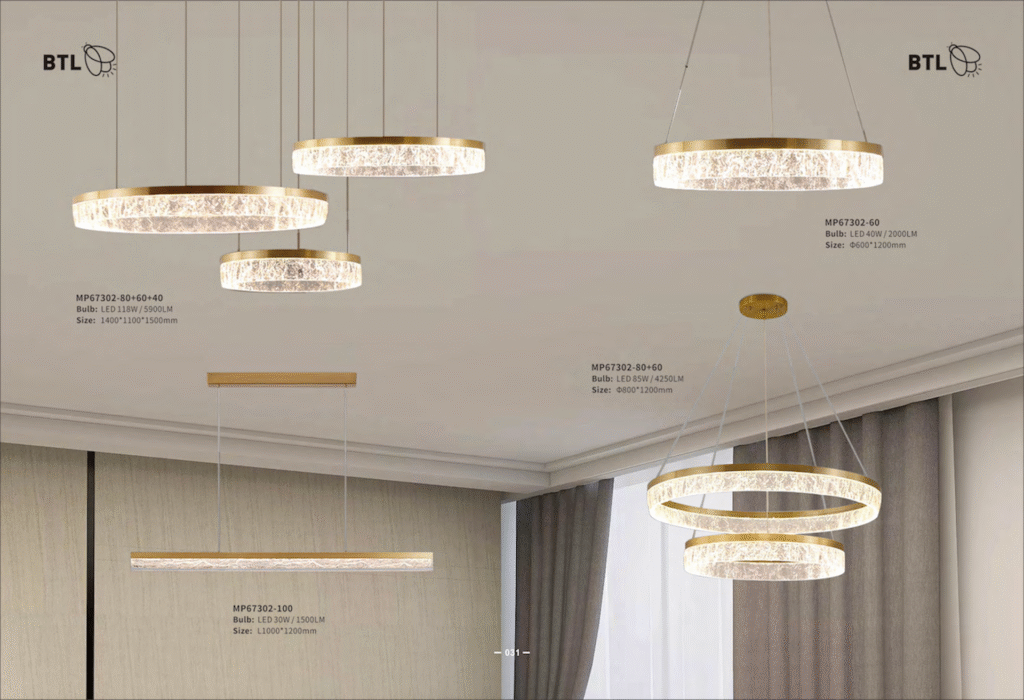
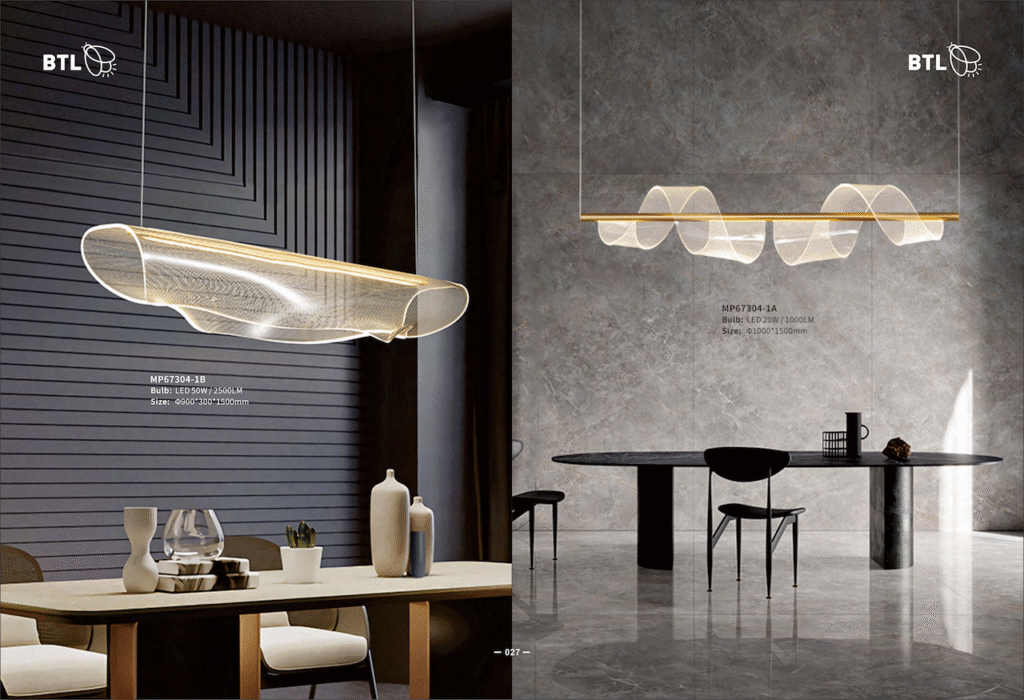
• Ambient lighting: Consider adding a floor or ceiling lamp that provides smooth and uniform light throughout the room, avoiding harsh shadows.
• Accent light: To add a touch of style and functionality, include accent lights that highlight specific areas, such as shelves or decorations.
Choose the right color temperature
The color temperature of the bulbs can significantly influence your work environment. Cold white light (4000K to 5000K) is ideal for home offices as it mimics daylight and helps keep you alert. Avoid warm lights (2700K to 3000K) in your work area, as they can induce relaxation and reduce productivity.
Avoid visual fatigue with balanced lighting
To avoid visual fatigue, it is important that your home office lighting is balanced. This means that the light should be evenly distributed throughout the room. Here are some tips to achieve this:
• Combine different types of lighting: Use a combination of natural light, ambient light, and task light to create a balanced environment.
Avoid sharp contrasts: Make sure the overall lighting in the room is not much dimmer than the light from your desk.
Take regular breaks to rest your eyes, following the 20-20-20 rule: every 20 minutes, look at something 20 feet away for 20 seconds.
The Importance of Ergonomics and Lighting
Ergonomics and lighting go hand in hand when it comes to creating a healthy work environment. Make sure that the position of your desk lamp does not cause reflections on your screen and that general lighting does not create uncomfortable shadows in your work space. Adjusting the height and angle of your lamp can also improve your posture and reduce tension in your neck and eyes.
Frequently Asked Questions about Home Office Lighting
1. What is the best color temperature for home office lighting?
The best color temperature for a home office is cold white light, between 4000K and 5000K. This range mimics natural daylight and helps maintain concentration and productivity.
2. How can I avoid glare in my home office?
To avoid glare, place your screen at an angle that does not receive direct light, use light curtains to dim natural light, and choose lamps with opaque screens that soften the light.
3. Is it recommended to use LED lights in the home office?
Yes, LED lights are highly recommended for home offices. They are energy efficient, have a long service life and are available in different color temperatures, allowing you to create the perfect environment.
4. Should I use only artificial lighting or also take advantage of natural light?
The ideal is to combine both. Natural light is great for keeping you alert and improving your mood, while artificial lighting is essential for times of day when natural light is not enough.
5. What kind of desk lamp is best for a home office?
An adjustable desk lamp with LED light and intensity adjustment option is ideal. This will allow you to direct the light where you need it most and adjust the brightness according to the time of day.
Investing time and effort in your home office lighting can make a big difference in your productivity and well-being. By following these tips, you will be able to create a workspace that is not only functional, but also pleasant and motivating. Remember that the key is to effectively combine natural and artificial light, choose the right color temperature and maintain an ergonomic balance.